


Vinet är en hyllning till året 1212, då Decugnano först nämndes i skrift då två präster, Giovanni och Pietro, tog hand om Santa Maria di Decugnano, och producerade vin för prästerskapet i Orvieto. Vinet framställs av en blandning av Cabernet Sauvignon, Syrah och Montepulciano. Druvorna skördas i slutet av september och början av oktober för att säkerställa optimal mognad. Endast de bästa druvklasarna väljs ut för att garantera högsta kvalitet. Druvorna avstjälkas sedan och pressas lätt. Musten jäses på rostfria ståltankar vid kontrollerad temperatur, med en lång skalkontakt (maceration) för att extrahera färg, tanniner och aromer. Pigeage & Pump-overs → Regelbundna omrörningar av skalmassan och överpumpningar för att maximera extraktionen. Efter jäsningen lagras vinet i franska ekfat i 12–14 månader. Både nya och använda fat används för att balansera ekens påverkan och behålla vinets fruktighet. Efter fatlagringen vilar vinet ytterligare 6–12 månader på flaska innan det släpps på marknaden.
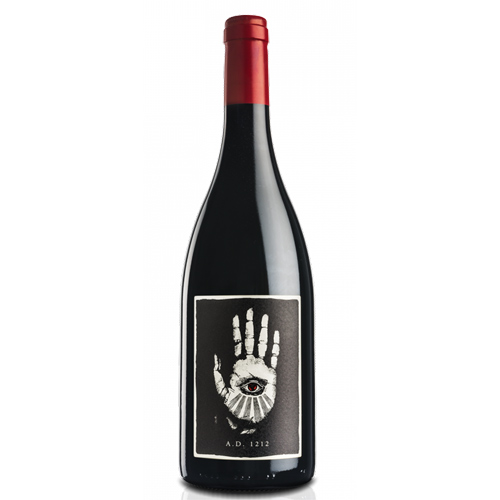
Decugnano dei Barbi- A.D.1212
Ett komplext ekfatslagrat rödvin från Umbrien.
Vinet är en hyllning till året 1212, då Decugnano först nämndes i skrift då två präster, Giovanni och Pietro, tog hand om Santa Maria di Decugnano, och producerade vin för prästerskapet i Orvieto. Vinet framställs av en blandning av Cabernet Sauvignon, Syrah och Montepulciano. Druvorna skördas i slutet av september och början av oktober för att säkerställa optimal mognad. Endast de bästa druvklasarna väljs ut för att garantera högsta kvalitet. Druvorna avstjälkas sedan och pressas lätt. Musten jäses på rostfria ståltankar vid kontrollerad temperatur, med en lång skalkontakt (maceration) för att extrahera färg, tanniner och aromer. Pigeage & Pump-overs → Regelbundna omrörningar av skalmassan och överpumpningar för att maximera extraktionen. Efter jäsningen lagras vinet i franska ekfat i 12–14 månader. Både nya och använda fat används för att balansera ekens påverkan och behålla vinets fruktighet. Efter fatlagringen vilar vinet ytterligare 6–12 månader på flaska innan det släpps på marknaden.
22.3€
Only logged in customers who have purchased this product may leave a review.
Decugnano dei Barbi- A.D.1212
A complex oak barrel aged red wine from Umbria
The wine pays homage to the year 1212, when Decugnano was first mentioned in writing when two priests, Giovanni and Pietro, took care of Santa Maria di Decugnano, producing wine for the clergy of Orvieto. The wine is made from a blend of Cabernet Sauvignon, Syrah and Montepulciano. The grapes are harvested in late September and early October to ensure optimal ripeness. Only the best bunches are selected to guarantee the highest quality. The grapes are then destemmed and lightly pressed. The must is fermented in stainless steel tanks at a controlled temperature, with a long skin contact (maceration) to extract color, tannins and aromas. Pigeage & Pump-overs → Regular stirring of the skin mass and pump-overs to maximize extraction. After fermentation, the wine is aged in French oak barrels for 12–14 months. Both new and used barrels are used to balance the influence of the oak and maintain the fruitiness of the wine. After barrel aging, the wine rests for another 6-12 months in the bottle before being released on the market.
22.3€
The wine pays homage to the year 1212, when Decugnano was first mentioned in writing when two priests, Giovanni and Pietro, took care of Santa Maria di Decugnano, producing wine for the clergy of Orvieto. The wine is made from a blend of Cabernet Sauvignon, Syrah and Montepulciano. The grapes are harvested in late September and early October to ensure optimal ripeness. Only the best bunches are selected to guarantee the highest quality. The grapes are then destemmed and lightly pressed. The must is fermented in stainless steel tanks at a controlled temperature, with a long skin contact (maceration) to extract color, tannins and aromas. Pigeage & Pump-overs → Regular stirring of the skin mass and pump-overs to maximize extraction. After fermentation, the wine is aged in French oak barrels for 12–14 months. Both new and used barrels are used to balance the influence of the oak and maintain the fruitiness of the wine. After barrel aging, the wine rests for another 6-12 months in the bottle before being released on the market.
Reviews
There are no reviews yet.
Only logged in customers who have purchased this product may leave a review.
Decugnano dei Barbi- A.D.1212
Un vin rouge complexe élevé en fût de chêne d'Ombrie
Le vin est un hommage à l’année 1212, lorsque Decugnano a été mentionné pour la première fois par écrit lorsque deux prêtres, Giovanni et Pietro, s’occupaient de Santa Maria di Decugnano et produisaient du vin pour le clergé d’Orvieto. Le vin est élaboré à partir d’un assemblage de Cabernet Sauvignon, Syrah et Montepulciano. Les raisins sont vendangés fin septembre et début octobre pour assurer une maturité optimale. Seules les meilleures grappes de raisin sont sélectionnées pour garantir la plus haute qualité. Les raisins sont ensuite égrappés et légèrement pressés. Le moût est fermenté en cuves inox à température contrôlée, avec une longue macération pelliculaire pour extraire la couleur, les tanins et les arômes. → Pigeages réguliers du moût et remontages pour maximiser l’extraction. Après la fermentation, le vin est élevé en fûts de chêne français pendant 12 à 14 mois. Des fûts neufs et usagés sont utilisés pour équilibrer l’influence du chêne et maintenir le fruité du vin. Après l’élevage en fût, le vin repose encore 6 à 12 mois en bouteille avant d’être commercialisé.
22.3€
Le vin est un hommage à l’année 1212, lorsque Decugnano a été mentionné pour la première fois par écrit lorsque deux prêtres, Giovanni et Pietro, s’occupaient de Santa Maria di Decugnano et produisaient du vin pour le clergé d’Orvieto. Le vin est élaboré à partir d’un assemblage de Cabernet Sauvignon, Syrah et Montepulciano. Les raisins sont vendangés fin septembre et début octobre pour assurer une maturité optimale. Seules les meilleures grappes de raisin sont sélectionnées pour garantir la plus haute qualité. Les raisins sont ensuite égrappés et légèrement pressés. Le moût est fermenté en cuves inox à température contrôlée, avec une longue macération pelliculaire pour extraire la couleur, les tanins et les arômes. → Pigeages réguliers du moût et remontages pour maximiser l’extraction. Après la fermentation, le vin est élevé en fûts de chêne français pendant 12 à 14 mois. Des fûts neufs et usagés sont utilisés pour équilibrer l’influence du chêne et maintenir le fruité du vin. Après l’élevage en fût, le vin repose encore 6 à 12 mois en bouteille avant d’être commercialisé.
Reviews
There are no reviews yet.
Only logged in customers who have purchased this product may leave a review.


Reviews
There are no reviews yet.